
Оглавление
Most bad orders start with one lazy assumption
Начните здесь.
I have watched too many buyers obsess over 1 µm versus 10 µm, argue nylon versus PTFE, and then quietly skip the one check that decides whether the bag will even seal, stay supported, and survive the shift, because in the real plant the expensive mistake is often not filtration media at all, it is housing fit, and the invoice shows up later as bypass, short service life, ugly change-outs, and a maintenance team that stops trusting purchasing. Why do people still treat bag fit like admin work?
My blunt view is simple. If you cannot prove the housing fit, you have no business issuing the PO.
That sounds harsh, but the money is real: Отчет NIST об экономике обрабатывающей промышленности за 2024 год says downtime equals 8.3% of planned production time and about $245 billion in discrete manufacturing, and in January 2024 the GAO’s Кауффман и партнеры decision showed how a quotation can be pushed out of contention when the submitted detail does not match how requirements are read. Different sector, same lesson: vague inputs create expensive arguments.
Best Filter Bag already has the right content spine for this topic, and I would use it hard, not politely: the руководство по стандартам размера сумки, основы корпуса рукавного фильтра для промышленных покупателей, Руководство по выбору мешков для жидкостных фильтров, what micron rating really means, и шаблон RFQ для фильтровального мешка already map the buyer journey from confusion to a quote-ready spec. That is not “content marketing.” That is a usable technical system.
What housing fit actually means in the plant
Not guesswork.
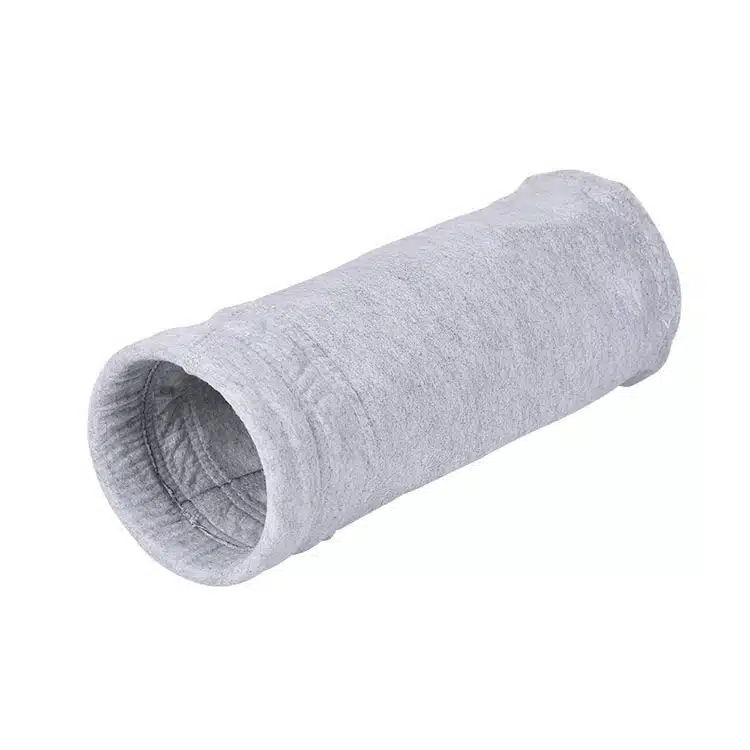
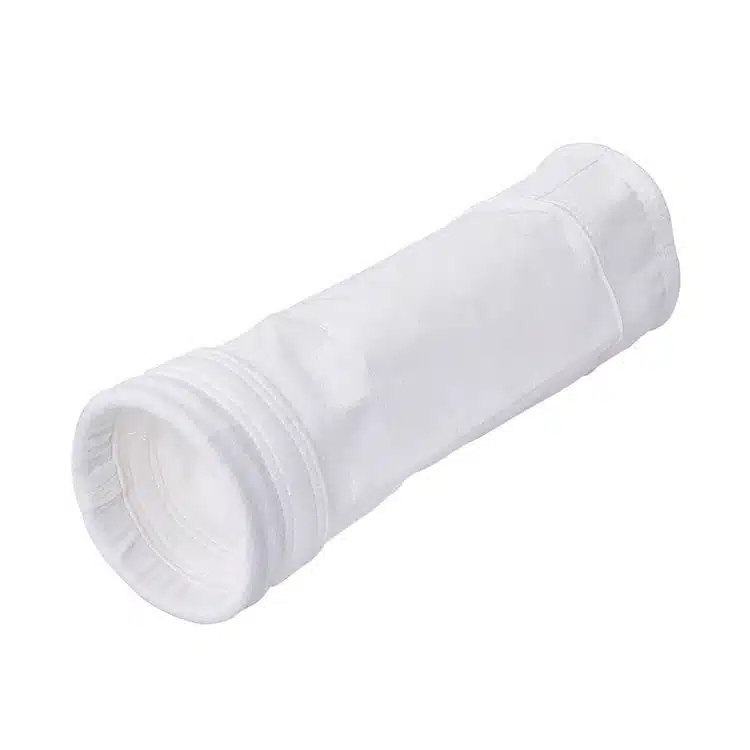
Housing fit means the bag’s diameter, length, ring style, seal profile, and media construction match the installed vessel’s basket, seat, lid closure geometry, and operating conditions closely enough that liquid is forced through the media instead of around it, while the bag stays supported during dirty-service loading and change-out. If that mechanical match is wrong, the bag becomes the scapegoat for a housing problem. Isn’t that what usually happens?
And here is the hard truth buyers hate hearing: “standard size” does not mean “automatically compatible.” Size code is only the first gate. Ring style, basket top, seat profile, hold-down arrangement, and usable internal depth still decide whether the bag actually works. That is exactly why I would push a reader from this article into основы корпуса рукавного фильтра для промышленных покупателей а затем в Корпус рукавного фильтра из нержавеющей стали для мешков размера 1/2 page if the line is already built around standard single-bag hardware.
In regulated production, the tolerance for sloppy fit gets even smaller. The FDA says equipment must be suitably designed for intended use, cleaning, and maintenance, and any product-contact surface must not be reactive, additive, or absorptive under 21 CFR 211.63, 211.65, and 211.67, which is another way of saying your housing choice, seal logic, and material selection are not separate from product risk. FDA’s equipment Q&A is very plain on this point.
The filter bag size chart I actually care about
Numbers matter.
I do not need a pretty brochure table. I need the dimensions that stop the wrong bag from landing on my dock.
| Filter bag size | Typical envelope | Where it usually makes sense | What buyers get wrong |
|---|---|---|---|
| Size #1 / 01 | Roughly 7.06 in diameter × 16.5 in length | Standard single-bag housings, mixed-vendor plants, tighter vertical space | Buyers assume a #2 will “probably fit” because the ring looks similar |
| Size #2 / 02 | Roughly 7.06 in diameter × 32 in length, about 4.4 sq ft media area | Longer runs, stronger water-flow capacity, fewer change-outs when the housing is explicitly built for it | Buyers chase more area and forget housing height, liquid hold-up, and service clearance |
| Size #3 / 03 and #4 / 04 | Compact formats for smaller-flow duties | Small housings, compact skids, lighter services | Buyers confuse smaller size with finer micron, which is nonsense |
The site’s own bag-size resource gets this right: #1 and 01 are the same standard, and #2 and 02 are the same long format, while micron still remains a separate decision from geometry. That distinction sounds basic, but I have seen plants lose days over it.
So when people ask me about size 1 vs size 2 filter bags, I give the answer they usually do not want. Size #2 is not “better.” It is better only when the extra length and area produce real runtime gains inside a housing that was built for it. Otherwise, it is just a longer mistake.

The checks I would force before I approve the order
Read the tag.
If the housing nameplate is unreadable, or nobody can tell you the maker, model, installed bag size, and basket arrangement, stop there, because ordering against memory is how bad filter bag compatibility becomes a weekly ritual instead of a one-time error. Why are buyers comfortable guessing on stainless hardware that runs hot chemicals, resin, ink, wastewater, or process water?
Here is what I would ask for before I let purchasing send anything out: a photo of the housing tag, a photo of the lid open, a top-down photo of the basket and seat area, a photo of the old bag and ring, the last used SKU, the target micron, fluid name, temperature, pH, flow rate, and acceptable dirty ΔP. That is not bureaucracy. That is adult filtration buying. The шаблон RFQ для фильтровального мешка и Руководство по выбору мешков для жидкостных фильтров already support exactly that discipline.
Measure like you expect the bag to fail your assumptions
Use a tape.
I want the basket usable depth, the seat diameter, the top opening geometry, the ring style on the removed bag, and one honest answer to a question people dodge: does the old bag show signs of bottoming out, fold-over at the seat, bypass staining, or collapse marks? Because each of those tells you something different, and none of them are fixed by pretending micron rating was the issue. Isn’t that the trap?
This is also where what micron rating really means should sit inside the article naturally, because buyers keep mixing up particle retention with mechanical fit, and those are different conversations with different failure modes. A small bag can be coarse. A long bag can be fine. Geometry and capture rating are not the same thing.
Stop buying media first and asking the housing to adapt later
Wrong sequence.
The site is right to split the conversation between нейлоновые фильтровальные мешки for broad general-duty liquid service and Фильтровальные мешки из ПТФЭ for harsher chemistry or higher-temperature work, because media choice and housing choice are married whether procurement likes it or not. If the bag material swells, sheds, or resists your liquid differently, the seating behavior and service life can change with it.
My rule is old-fashioned. Confirm the mechanical fit first. Then confirm the chemistry. Then confirm the micron target. Not the other way around.
The procurement trap nobody admits
Quotes are not specs.
A quotation is only as good as the housing data behind it, and FAR 13.004 makes the broader procurement point very clearly: a quotation is not automatically a binding contract just because someone sent numbers back, which is a nice legal way of saying vague requests do not magically become precise obligations later. In industrial buying, that means the supplier may quote what they think you meant, while you assume they quoted what you actually needed. See the fight coming?
That is why I dislike soft phrases like “standard bag filter housing size” unless they are followed immediately by hard data: Size #1 or #2, ring type, basket photo, current housing model, fluid, temperature, pH, and change-out history. Without that, you are not running a clean RFQ. You are outsourcing your uncertainty. The шаблон RFQ для фильтровального мешка should be the last click before the buyer contacts the supplier, not an afterthought.
Вопросы и ответы
How do I confirm filter bag compatibility before ordering?
Filter bag compatibility is the match between the bag’s size code, diameter, length, ring or collar design, media construction, chemical limits, and the housing’s basket, seal seat, closure geometry, and operating conditions, so the bag seals correctly, stays supported, and performs without bypass, collapse, or premature change-out. I treat compatibility as a mechanical check first and a media check second.
How do I measure filter bag housing correctly?
To measure filter bag housing correctly, verify the housing tag and model first, then measure the basket’s usable depth, seat diameter, top opening geometry, and the installed bag’s ring style, while also checking whether the previous bag showed bypass, collapse, or bottoming-out marks that expose a fit error rather than a media problem. If you skip the basket and seat, you did not really measure the housing.
Are Size 1 and Size 2 filter bags interchangeable?
Size 1 and Size 2 filter bags are not interchangeable unless the housing and basket were explicitly designed to accept both, because Size #1/01 is roughly 7.06 inches by 16.5 inches while Size #2/02 keeps the same diameter but extends to roughly 32 inches and changes the bag’s installed envelope and service behavior. I never assume interchangeability from ring appearance alone.
Does micron rating tell me whether the bag will fit my housing?
Micron rating does not tell you whether the bag will fit the housing, because micron defines particle-retention intent while housing fit depends on bag size, ring design, basket support, seat profile, closure geometry, and operating conditions, which means a “better” micron can still fail mechanically inside the wrong vessel. Micron is where many bad buyers hide their sizing mistake.
What should I send a supplier before ordering replacement filter bags?
Before ordering replacement filter bags, send the supplier the housing maker and model, nameplate photo, basket and seat photos, old bag photo, size code, ring style, liquid name, temperature, pH, target micron, flow rate, acceptable differential pressure, and annual usage so they can quote a bag that fits your vessel and your duty. Anything less invites guesswork.
Ваш следующий шаг
Сделайте это прямо сейчас.
Open your current spec, PO note, or old SKU record, then compare it against the руководство по стандартам размера сумки, the основы конструкции корпуса рукавного фильтра страница, и шаблон RFQ для фильтровального мешка. If your team cannot prove the housing model, size code, ring style, and basket fit with photos and measurements, do not release the order. Why buy a problem on purpose?
And if the installed unit is already a standard single-bag vessel, send the buyer straight to the Корпус рукавного фильтра из нержавеющей стали для мешков размера 1/2 page and make the conversation concrete: Size #1 or #2, ring style, liquid, temperature, and expected runtime. That is how I would turn one H1 into a real order instead of another polite filtration article nobody uses.


