
Оглавление
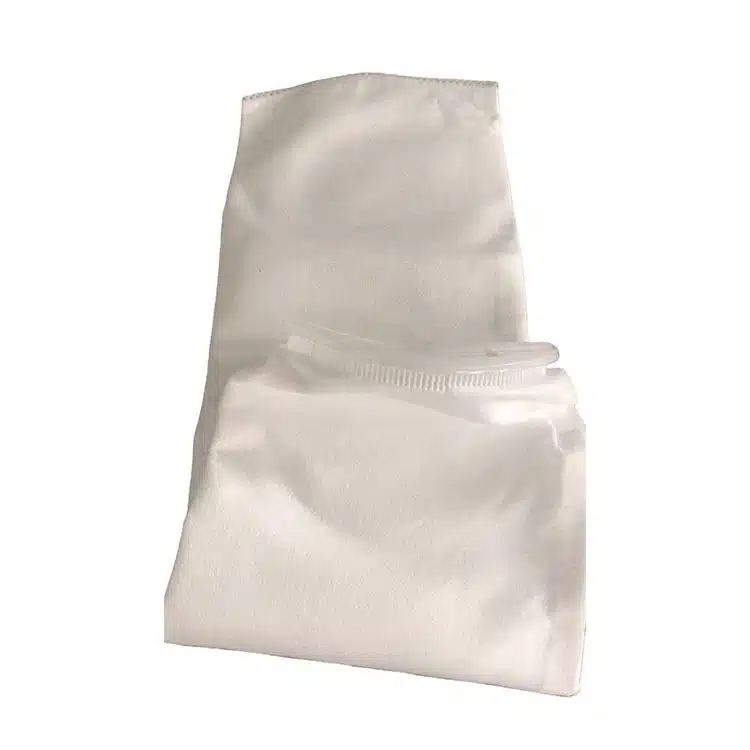
Most buyers are comparing the wrong thing
Три слова имеют значение.
I do not start a filter bag material comparison with media price, because the real bill shows up later in pressure drop, shortened bag life, product contamination, bag collapse, emergency changeouts, and the very human habit of blaming the bag for a housing or chemistry decision that was wrong on day one. Why are smart plants still buying consumables like office stationery?
Here is the hard truth I wish more suppliers would say out loud: PTFE, polypropylene, and polyester are not sitting on one neat ladder from “cheap” to “premium.” They are built for different fights. The EPA says new pulse-jet fabric filters are typically designed for 99% to 99.9% efficiency, and CDC/NIOSH documented a mini-baghouse setup that cut airborne respirable dust by 85% to 98% and respirable crystalline silica by 79% to 99%. In other words, filtration performance can be brutally good when the system and media are matched honestly.
That is why I would not let this topic sit alone on your site. Readers who still confuse capture rating with material fit should be pushed naturally into что на самом деле означает рейтинг микронов фильтровального мешка and then into the broader liquid filter bag selection guide: micron, material, and bag size, because your site already has the bones of a real buying workflow instead of the usual brochure maze.
Where each material actually earns its keep
Short version first.
PTFE is the risk-control material, polypropylene is the chemistry-per-dollar material, and polyester is the workhorse material that too many people keep forcing into wet, hot, chemically ugly service where it does not belong. Why pretend these three media fail for the same reasons?
PTFE filter bags: expensive, yes, but often the adult answer
PTFE is the media I reach for when the process is trying to kill ordinary fabrics. Chemours says Teflon fluoropolymers such as PTFE operate across roughly -200°C to 260°C, and Gore’s industrial filter bag specifications show PTFE and ePTFE media at 260°C continuous operation с excellent acid and alkali resistance. That is why PTFE keeps turning up in chemicals, metals, waste-to-energy, electronics-adjacent, and other jobs where chemistry, heat, or low-shedding demands make “good enough” a dangerous phrase. Read Chemours’ chemical and thermal resistance overview and Gore’s filter bag specifications if you want the straight manufacturer view.
But PTFE is not magic. I have seen buyers use a premium PTFE bag to hide a bad basket, a wrong ring, trapped air, or a lazy startup routine. That is not engineering. That is denial with a fluoropolymer invoice attached. On your own site, the best internal handoff here is как выбрать PTFE фильтр-мешки для агрессивных химических веществ followed by основы корпуса рукавного фильтра для промышленных покупателей, because media never operates in midair.
Polypropylene filter bags: better than polyester in wet chemistry more often than people admit
Polypropylene gets underestimated because it is cheap enough to make engineers suspicious. That is a mistake. HMC Polymers says PP resins see little or no effect from many inorganic chemicals for up to six months at temperatures up to 120°C, but they are appreciably affected by strong oxidizing acids and certain severe chemical combinations; Gore’s baghouse data is even more conservative on air-side media, listing polypropylene felt at 80°C continuous с excellent acid and alkali resistance. That makes polypropylene filter bags a serious answer in many liquid services with acids, caustics, and moderate heat, even if they are a weaker answer for hotter baghouse duty. See HMC’s PP chemical resistance guide.
My blunt view is this: in polypropylene vs polyester filter bags, PP wins more often in wet chemical service than many catalogs admit, and polyester wins more often in dry, general baghouse duty than many PP sellers want to concede. That split is not marketing. It is physics.
Polyester filter bags: still useful, still overused
Polyester is not dead. It is just abused. Donaldson’s glazed polyester bag media for baghouse dust collectors is positioned as a versatile general-purpose option up to 135°C continuous / 149°C surge, with good abrasion resistance and good dust-cake release, which is exactly why polyester still shows up in cement, quarry, grain, flour, wood, and other nuisance-dust work. But Donaldson also flags polyester as subject to hydrolysis, and Celanese notes that polyesters can be attacked by strong mineral acids and can hydrolyze under extended exposure to high-temperature acidic aqueous conditions. Donaldson’s polyester bag media sheet and Celanese’s polyester technical manual say the quiet part clearly enough.
So yes, polyester filter bags remain useful baghouse filter media. No, they are not my first choice for hot, wet, chemically aggressive duty. And if your process has a real moisture-acid or moisture-alkali problem, pretending polyester is “close enough” is one of the dumbest penny-saving habits in this industry.
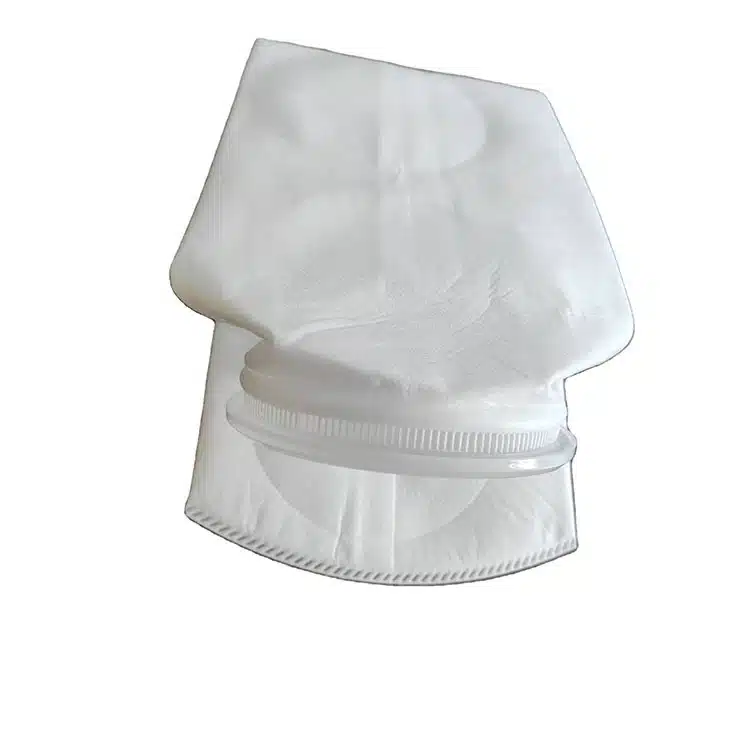
The comparison that actually helps
The table below compresses the manufacturer and technical data into buying language, not brochure poetry. The temperature and resistance positions are anchored in Chemours, Gore, HMC Polymers, Donaldson, Celanese, and PlasticsEurope material data.
| Атрибут | PTFE | Polypropylene | Polyester |
|---|---|---|---|
| Typical continuous temperature window | Up to 260°C | Often moderate; Gore baghouse data shows 80°C | Common baghouse grades around 135°C |
| Acid resistance | Превосходно | Often very good to excellent, except severe oxidizers | Fair to good, but not universal |
| Alkali resistance | Превосходно | Excellent in many services | Good only in milder conditions; can break down in harsher wet service |
| Hydrolysis risk | Very low | Low in the polyester sense | Real risk in moist heat / acidic aqueous exposure |
| Fiber shedding / cleanliness-sensitive duty | Strong option | Decent, service-dependent | Less convincing when process cleanliness is strict |
| Best fit in liquid filtration | Hot corrosive chemicals, purity-sensitive lines | General chemical liquids, acids/caustics at moderate heat | Only when chemistry is honest and budget matters |
| Best fit in baghouse duty | Hot, corrosive, compliance-heavy service | Niche lower-temperature chemical duty | General dry dust collection and cost-sensitive duty |
| Relative media cost | Highest | Low to moderate | Moderate |
| Мое откровенное чтиво | Buy when failure is expensive | Buy when chemistry matters more than heat | Buy when duty is dry, general, and not pretending to be PTFE |
One more thing.
If the reader is moving from material theory to an actual RFQ, your strongest internal step is not a product page first. It is how to write a clear filter bag specification sheet, because most bad purchases start with a lazy one-line spec, not with the wrong catalog.
The expensive failures nobody puts in the brochure
This part matters.
Filtration mistakes are cheap only in slide decks; in the field they turn into exposure, downtime, quality drift, and occasionally enforcement trouble, which is why I get impatient when someone says material choice is “just a consumables decision.” Do you really believe the plant sees it that way when production stops?
The worker-exposure example is not abstract. In a CDC/NIOSH field evaluation, a mini-baghouse assembly reduced airborne respirable dust by 85% to 98% and respirable crystalline silica by 79% to 99% around sand movers, which is exactly the kind of result that reminds you filtration media and structure are not cosmetic details. Read the NIOSH field evaluation.
The enforcement example is uglier. In September 2024, the EPA said its settlement with Federal Cartridge would cut air emissions by more than 1,700 pounds of particulate matter per year и more than 400 pounds of lead per year, while imposing a $349,471 penalty and requiring better controls. That is not a liquid filter bag case, and I am not pretending it is. I am saying the same hard rule applies: when filtration is neglected, the bill stops being theoretical. See the EPA’s Federal Cartridge settlement notice.
And then there is the PTFE problem nobody likes discussing in sales meetings. Reuters reported in July 2024 that EPA’s TSCA PFAS reporting rule required manufacturers and importers of PFAS or covered articles to report extensive data, with potential civil fines of up to $48,512 per day for noncompliance. I am not saying PTFE is “banned.” I am saying fluoropolymer procurement now gets harder compliance questions than it did a few years ago, and buyers who ignore that are not being bold. They are being lazy. Read Reuters on the PFAS reporting rule and the separate Reuters report on EPA’s Superfund designation for PFOA and PFOS.
The pages readers should hit before they send an RFQ
Ссылки нуждаются в работе.
After looking across your site, I would not scatter random internal links through this article just to make a crawler happy, because the content already has a tighter sequence available and the smart move is to send readers to the page that answers their next argument, not their previous one. Why waste a good H1 by turning it into a dead end?
If the reader is still asking how to choose filter bag material, route them from the broad liquid filter bag selection guide: micron, material, and bag size into что на самом деле означает рейтинг микронов фильтровального мешка, because particle target and media choice have to be decided together, not in separate rooms. If they already know chemistry is the bully in the room, hand them straight to как выбрать PTFE фильтр-мешки для агрессивных химических веществ.
And when the conversation moves from theory to installed hardware, the honest jump is основы корпуса рукавного фильтра для промышленных покупателей, followed by how to write a clear filter bag specification sheet. Then, when the line is already chewing through bags and nobody wants to admit why, push them to Почему разрушаются фильтровальные мешки и как это предотвратить. That is how this article stops being “content” and starts acting like a sales engineer.

Вопросы и ответы
Which filter bag material is best for industrial filtration?
The best filter bag material for industrial filtration is the one whose chemistry tolerance, continuous temperature limit, moisture behavior, particle-release profile, and replacement economics actually match the process, because PTFE, polypropylene, and polyester are solving different failure modes rather than competing on one honest quality ladder.
My own rule is simple: buy PTFE when failure cost is ugly, buy polypropylene when wet chemistry is serious but heat is manageable, and buy polyester when the duty is dry, general, and not pretending to be a corrosion test.
Is polypropylene better than polyester filter bags?
Polypropylene is usually better than polyester filter bags in many wet chemical and acid/caustic liquid services because PP resists a broad range of inorganic chemicals and avoids the hydrolysis weakness that can punish polyester under moist, chemically active conditions, while polyester is often stronger in general dry baghouse work at modest temperatures.
That is why polypropylene vs polyester filter bags is not a price fight. It is a service-conditions fight, and buyers who ignore moisture and chemistry usually hand polyester jobs it never wanted.
When should I pay for PTFE filter bags?
You should pay for PTFE filter bags when the process combines aggressive chemistry, higher temperature, stricter cleanliness, or tougher compliance exposure in a way that makes premature failure, product contamination, unstable pressure drop, or emergency changeouts more expensive than the media premium itself, because PTFE is bought to remove risk, not to look premium.
I like PTFE a lot. I just do not worship it. If the real problem is a bad housing, bent basket, or sloppy startup, PTFE will become a very expensive way to stay wrong.
Are polyester filter bags still good baghouse filter media?
Polyester filter bags are still good baghouse filter media for broad, dry, general-purpose dust collection where temperatures are moderate, dust-cake release matters, and the process is not soaking the fabric in the kind of heat-plus-moisture-plus-chemistry combination that turns polyester’s hydrolysis weakness into an expensive surprise.
I still spec polyester in the right jobs. I just stop the conversation fast when someone tries to drag it into hot, wet, corrosive duty and call that “value engineering.”
Ваш следующий шаг
Сделайте это прямо сейчас.
Take your current bag spec and rewrite it in one line with process fluid or dust, chemistry, continuous temperature, peak temperature, solids profile, target micron, housing size, ring style, clean ΔP, dirty ΔP, and changeout trigger, because that single sentence will tell you faster than any sales pitch whether PTFE, polypropylene, or polyester belongs in the job. Why keep buying filter bags with half the evidence missing?
If you want this H1 to produce qualified inquiries instead of casual traffic, keep the CTA blunt: tell readers to send their process data, housing model, bag size, temperature range, and chemistry details for a material recommendation, then route them into how to write a clear filter bag specification sheet и основы корпуса рукавного фильтра для промышленных покупателей. That is the move that separates a reader from a buyer.


