
Mục lục
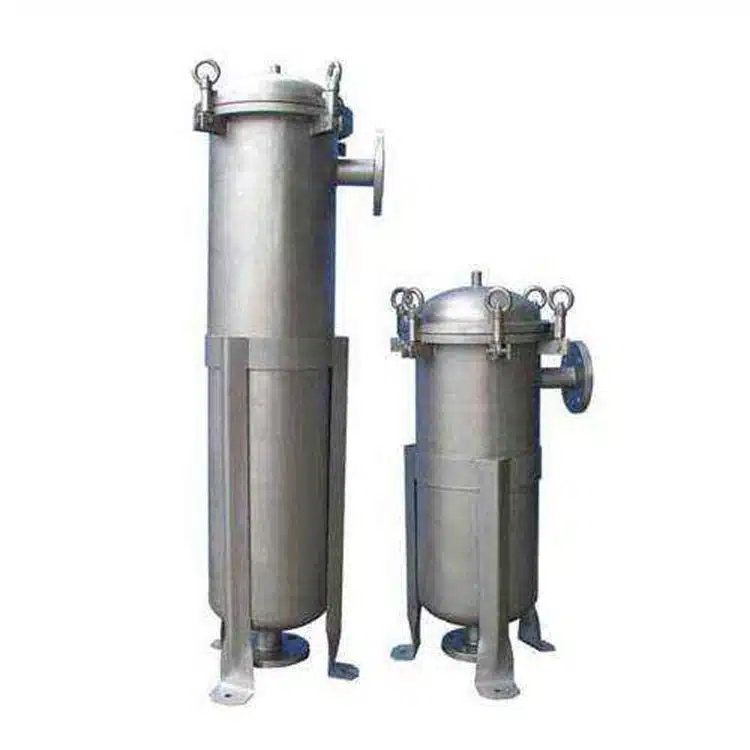
Most Buyers Are Comparing the Wrong Thing
Hầu hết người mua chỉ đoán mò.
I have watched too many teams compare a stainless steel bag filter housing to a plastic bag filter housing as if the argument begins and ends with capex, even though the real money leaks out through chloride attack, temperature drift, cracked seals, rising ΔP, awkward change-outs, and the very human habit of blaming the bag for a housing decision that was wrong on day one. Why are smart plants still buying filtration hardware like office furniture?
My blunt view is this: stainless steel wins when pressure, heat, washdown, abuse tolerance, and long service life are real; plastic wins when chemistry is the bully in the room and the operating window is honest. Everything else is brochure fog.
Before anyone acts confident, they should get clear on Những kiến thức cơ bản về vỏ bộ lọc túi dành cho người mua trong ngành công nghiệp and then revisit Độ lọc (micron) của túi lọc thực sự có ý nghĩa gì, because bad capture logic gets blamed on bag filter housing material every single week in this industry.
Stainless Steel Is Strong, but It Is Not Bulletproof
Steel looks serious.
And that visual bias keeps fooling buyers, because a stainless steel bag filter housing does earn its place in high-pressure loops, hotter service, repeated washdown, and lines where operators are rough on equipment, but stainless is not an immunity badge, and the HSE report on chloride stress corrosion cracking in austenitic stainless steel is brutally clear that chloride stress corrosion cracking is one of the most common reasons austenitic stainless vessels and pipework deteriorate in chemical and petrochemical service. Did you buy 316L because the chemistry said so, or because polished metal feels safer in a meeting room?
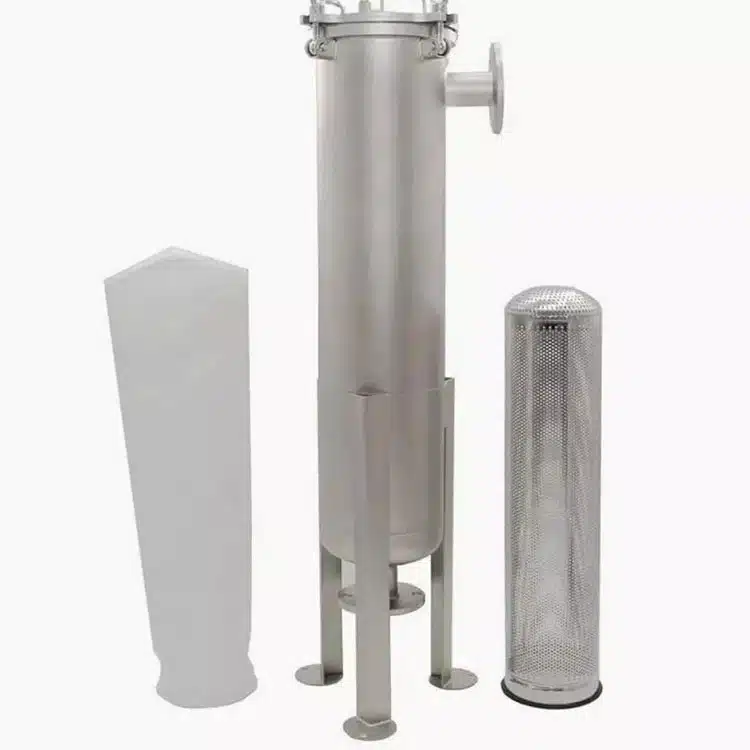
I like stainless when the process is mechanically unforgiving, when closures will be opened often, when thermal cycling is real, and when the line cannot tolerate a flimsy shell or questionable threads. That is exactly why a standardized Vỏ bộ lọc túi bằng thép không gỉ dành cho túi cỡ 1/2 makes sense for buyers who need common bag formats, faster change-outs, and a housing platform that can live in ugly industrial conditions without acting delicate.
But here is the hard truth I keep repeating: stainless loses fast when buyers pretend “corrosion resistant” means “chemically universal.” Hot chlorides, dirty crevices, neglected inspection, and the wrong alloy can turn premium hardware into a very expensive lesson.
Plastic Is Not Cheap Junk, but It Is Not Magic Either
Plastic gets mocked.
I think that is lazy thinking, because in real industrial buying “plastic bag filter housing” usually means a polypropylene-based logic for corrosive service, and polypropylene earns respect where acids and caustics would make ordinary metal choices miserable, yet even the University of Arizona chemical resistance chart warns that compatibility charts are guides only and final suitability remains the user’s responsibility. Why do buyers still treat a chart hit as if it were a field trial?
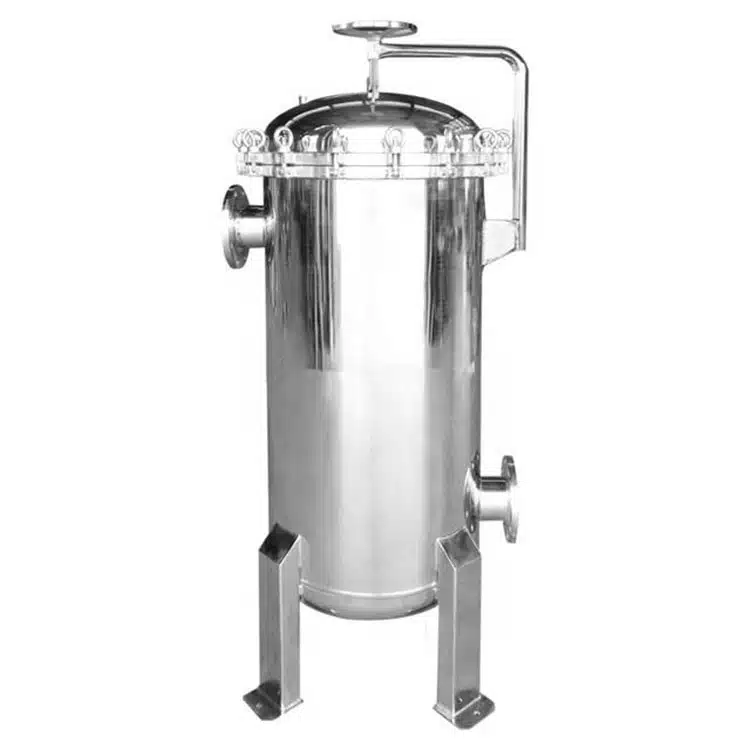
So yes, a polypropylene bag filter housing can be the smarter answer for corrosive liquids, especially when the service is temperature-capped, pressure-capped, and chemically nasty enough that the shell material matters more than the industrial vanity of stainless. But I do not trust plastic when the process sees heat swings, rough handling, mechanical shock, chronic overtightening, or sloppy installation discipline.
And there is another industry scam hiding in plain sight. Buyers spend hours arguing shell material and then send a vague RFQ that does not define concentration, temperature, solvent exposure, seal material, bag size, or installed geometry, which is exactly why I would force this topic to connect naturally to how to write a clear filter bag specification sheet and the site’s Mẫu yêu cầu báo giá túi lọc. If the RFQ is lazy, the material debate is already polluted.
The Comparison That Actually Helps
Most charts lie.
They flatten a messy engineering choice into a tidy shopping grid, while the real decision sits inside chemistry, pressure, temperature, operator behavior, and maintenance access, so this is the table I would actually put in front of a plant manager before anyone says “just quote both.”
| Decision Point | Stainless Steel Bag Filter Housing | Plastic / Polypropylene Bag Filter Housing |
|---|---|---|
| Best at | Higher pressure, hotter service, repeated washdown, operator abuse, longer mechanical life | Corrosive acid/caustic duty, lighter weight, lower upfront spend, metal-attack avoidance |
| Weak point | Chloride-rich hot service, crevice neglect, overconfidence in alloy selection | Lower tolerance for heat, abuse, mechanical shock, overtightening, and vague operating limits |
| Typical winning services | Process water, general chemicals, paints, inks, wastewater, lines needing rugged hardware | Corrosive liquids where chemistry is harsher than the temperature and pressure window |
| Buyer mistake I see most | Assuming 304 or 316 is “safe enough” without checking chloride load, cleaning chemistry, and inspection logic | Buying plastic to save capex, then pretending service temperature, pressure spikes, or handling damage do not exist |
| Cảm nhận thẳng thắn của tôi | Better when uptime, strength, and serviceability matter more than shell chemistry alone | Better when corrosion risk is the main threat and the operating envelope is disciplined |
That comparison is not theoretical. It lines up with your own internal content path from Những kiến thức cơ bản về vỏ bộ lọc túi dành cho người mua trong ngành công nghiệp to Tại sao túi lọc bị xẹp và cách phòng ngừa, because many “bag failures” are really housing-fit, support, seal, or system-design failures wearing a consumables disguise.
Follow the Money, Not the Shell Material
Energy matters too.
The U.S. Department of Energy says pumping systems account for 25% of the total energy consumed by electric motors in the U.S. industrial sector, and more than 50% of electricity use in pumping-intensive industries, which is why I get impatient when buyers obsess over vessel material but ignore pressure drop, flow path, basket support, and change-out frequency. Why save on shell price if you are going to bleed money every month through the pump?
Capital is tighter now, not looser, and Cuộc khảo sát lần thứ 7 về nhu cầu cơ sở hạ tầng nước uống của EPA puts U.S. drinking-water infrastructure need at $625 billion over 20 years, which means buyers are being pushed to justify every hardware decision with more discipline than the industry was used to a decade ago. Cheap-looking decisions have to survive finance now.
And when mechanical integrity fails in chemical service, the bill gets ugly fast. No, EPA’s TPC Group settlement information sheet is not a bag filter housing case, but that is exactly why it matters: EPA says TPC agreed to $30.1 million in criminal fines and civil penalties and roughly $80 million in injunctive relief after the Port Neches explosions. That is what “we’ll live with the risk” sounds like once regulators arrive.
How I Would Choose, Without Pretending the Decision Is Elegant
Hãy bắt đầu từ đầu.
If the liquid is chloride-heavy, hot, pressure-loaded, mechanically abusive, or living in a washdown-heavy environment, I lean stainless first and then force the team to get honest about alloy, seals, inspection, and maintenance space, because strong hardware still fails when people buy it for symbolism instead of service conditions.
If the liquid is acid- or caustic-heavy, the pressure and temperature window is controlled, and the real enemy is chemical attack rather than operator abuse, I look hard at a polypropylene bag filter housing, because that is where plastic stops looking “cheap” and starts looking smart.
Stop the purchase.
If the RFQ does not name fluid chemistry, concentration, operating temperature, clean and dirty ΔP, connection size, bag size, seal material, and current housing details, I would not approve stainless or plastic, because the fight is not really about material yet; it is about whether the buyer has done adult homework. That is why your own how to write a clear filter bag specification sheet Và Mẫu yêu cầu báo giá túi lọc should sit inside this topic like closing arguments, not side links.
Câu hỏi thường gặp
Which is better, stainless steel or plastic bag filter housing?
Stainless steel bag filter housings are generally better for higher pressure, higher temperature, rougher mechanical service, and repeatable maintenance access, while plastic bag filter housings are generally better for corrosive chemical duty when the temperature, pressure, and mechanical-load window stay inside the real limits of the polymer design. I do not rank one material above the other without seeing the chemistry sheet.
When should I choose a polypropylene bag filter housing?
A polypropylene bag filter housing is usually the better choice when corrosive acids or caustics are the main risk, metal attack is more likely than mechanical abuse, and the service stays within controlled pressure and temperature limits that will not punish the housing body, threads, closures, or long-term dimensional stability. I trust PP most when the operating window is disciplined, not improvised.
When is stainless steel the wrong choice?
Stainless steel becomes the wrong choice when buyers assume 304 or 316 can ignore chloride-rich, poorly controlled, or crevice-prone service, because austenitic stainless equipment can still deteriorate by chloride stress corrosion cracking and related attack if the actual environment is harsher than the alloy and inspection plan can handle. This is where “premium” becomes lazy buying.
Does micron rating change the housing decision?
Micron rating changes the housing decision because particle target, solids load, viscosity, and allowable pressure drop affect bag area, basket support, change-out frequency, and pump load, which means the wrong capture target can make either a stainless or plastic housing look bad even when the shell material was not the real mistake. I would never separate the bag spec from the housing spec.
What should I send a supplier before asking for a quote?
A usable bag filter housing RFQ should define fluid chemistry, concentration, operating temperature, flow rate, solids loading, target micron, bag size, connection details, current housing or installation geometry, seal expectations, and any documentation needs, because suppliers cannot quote fit, performance, and repeatability from “5 micron, please advise.” If that sounds severe, good. Buying filters casually is how plants buy twice.
Bước tiếp theo của bạn
Do this tomorrow.
Take one line in your plant, or one application in your sales pipeline, and force it into a real decision sheet: chemical formula, concentration, operating temperature, pressure, flow, solids profile, target micron, bag size, seal material, and current housing model. Then run that sheet through Những kiến thức cơ bản về vỏ bộ lọc túi dành cho người mua trong ngành công nghiệp, pressure-test it against Độ lọc (micron) của túi lọc thực sự có ý nghĩa gì, and close the loop with how to write a clear filter bag specification sheet cùng với Mẫu yêu cầu báo giá túi lọc.
Đó chính là nước đi đó.
Not because it sounds organized, but because stainless steel vs plastic bag filter housings is not really a material debate at all. It is a test of whether the buyer is serious.


