
Índice
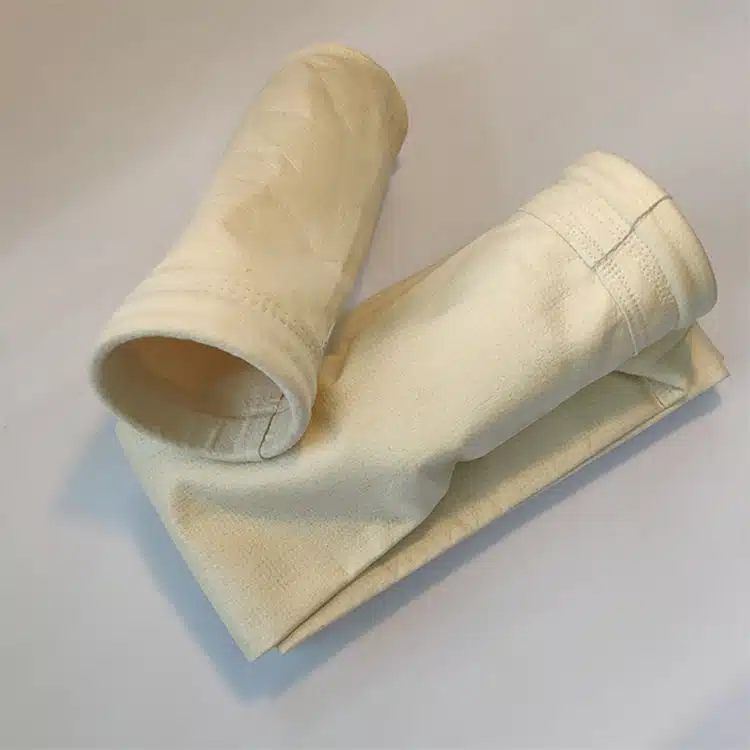
The coolant loop lies first
Bad specs hurt.
I have watched buyers obsess over “5 micron” like it is a complete engineering decision, even though metalworking fluids fail for uglier reasons first: tramp oil, smeared fines, bacterial growth, unstable pH, bypass at the seal, and a housing nobody bothered to measure after the last maintenance rebuild. And then everybody blames the bag. Why are we still doing that in 2026?
Según NIOSH’s criteria document on occupational exposure to metalworking fluids, workers exposed to MWF aerosols face elevated risks of respiratory and skin disease, and NIOSH recommends limiting exposure to 0.4 mg/m³ thoracic particulate as a time-weighted average. That matters because filtration in a coolant loop is not only about finish and tool life; it is also about keeping the fluid stable enough that the plant does not create a health problem and then pretend it is a housekeeping issue.
The waste side is just as blunt. In EPA guidance for the metal machining sector, contaminated and spoiled fluids are described as the largest source of waste from machining operations, and the agency notes that when sump pH drops below 8.5, fluids become more prone to rusting and biological activity; it also pegs a normal operating band around pH 8.4 to 9.4. So no, “just keep changing bags” is not a maintenance strategy. It is a lazy substitute for fluid control.
And here is the part too many sales pages duck. In a University of Sheffield case study on hydraulic oil contamination in machining, continuous tramp-oil contamination caused tool-life variation of up to 70%, and one machine saw about 259 mL of contaminating oil enter the fluid during a 6-hour machining period. After control measures and a retrofit filtration/separation setup were applied, performance became more consistent. Does that sound like a “small consumables” problem to you?
How to choose filter bag media for metalworking fluids without lying to yourself
Media comes first.
Not price first, not catalog adjectives first, and definitely not supplier confidence first. If the contaminant is mostly hard chips, coarse grit, and non-deformable solids, surface media such as nylon monofilament mesh usually makes more sense because it screens at the face and can sometimes be cleaned and reused. If the loop is carrying broad-size fines, sludge, oxidized residues, and ugly particulate loading, depth media usually wins because the solids are not politely sitting on the surface waiting to be rinsed off. Why do buyers keep pretending these are the same job? (Das)
I will make this impolite. The best filter bag for metalworking fluids is rarely the “finest” bag. It is the bag that matches the solids profile, chemistry, housing geometry, and change-out discipline of the plant you actually run, not the plant people describe in meetings. That is why your own clasificación en micras de las mangas filtrantes page should sit close to this article, because micron without retention logic is just a number with attitude.
My blunt comparison of common media choices
Three buckets matter.
Below is the comparison I would put in front of any plant team before they approve a coolant-filtration PO, because the wrong filter bag media choice usually starts with somebody refusing to separate “screening,” “fine solids loading,” and “chemistry survival” into three different jobs.
| Media type | Where it usually works in metalworking fluids | Where it goes wrong | My view |
|---|---|---|---|
| Nylon monofilament mesh | Coarse chips, abrasive grit, reusable-duty screening, upstream protection of pumps or secondary filters | Smear-prone fines, gelatinous sludge, very fine particle polishing, harsh chemical exposure | Honest and economical when the solids are hard and surface-capture makes sense |
| Needle-felt depth media | Broad particle-size distribution, oxidized fines, sludge loading, dirty recirculating coolant | Fast blinding if the bag is undersized, bad fit, or wrong micron target | Often the adult answer for ugly coolant, but only if the housing and bag area are honest |
| PTFE media | Aggressive chemistry, high-temperature service, low-fiber-shedding duty, special cleanliness demands | Overspecifying routine coolant service and paying premium money to hide a basic spec mistake | Excellent when chemistry is nasty; wasteful when the real problem is fit or fluid neglect |
That table is not marketing. It is triage. Nylon earns its place when capture is mostly surface screening; PTFE, with the polymer formula (C2F4)n, earns its invoice when chemistry, heat, or cleanliness make cheaper media a false bargain; and depth media earns respect when coolant contamination is broad, dirty, and not realistically reusable.
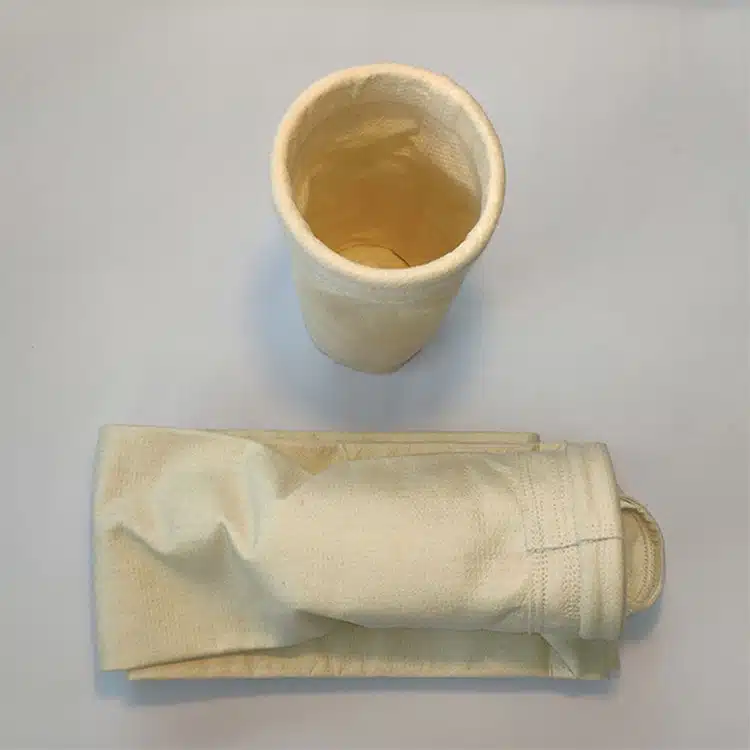
The best filter bag for metalworking fluids is often a system decision
Micron did not fail you.
Geometry did, or fluid control did, or somebody bought a bag before they checked the housing seat, basket support, bag length, ring style, and actual coolant chemistry. I keep seeing plants force one bag to do pre-screening, fine solids capture, and chemistry defense at the same time, and then act surprised when change-out frequency explodes. Why would one media style solve three different failure modes cleanly?
That is exactly why a serious reader should move from this page into normas sobre el tamaño de las bolsas and then into fundamentos de la carcasa del filtro de mangas para compradores industriales. Size #1 versus Size #2 changes area and hold-up volume. Ring style changes seal behavior. Housing fit decides whether liquid goes through the media or sneaks around it at the top. In my experience, a “better” bag inside a sloppy housing is just a more expensive excuse.
When the duty is closer to chip screening or reusable surface capture, the more natural internal branch is bolsas filtrantes de malla de nylon para agua, pintura, tinta y resina, because that page already frames nylon around general liquid service and cleanable surface logic. When the duty shifts toward corrosive additives, solvent carryover, or low-shedding cleanliness requirements, cómo elegir bolsas filtrantes de PTFE para productos químicos agresivos is the cleaner next click. That is how internal linking should work on an industrial site: not as decoration, but as a decision tree.
And let me add one hard truth from a real plant investigation. In a NIOSH evaluation at an engine machining plant, employees reported respiratory and nasal symptoms associated with compressed air, water, or coolant spray even though airborne MWF concentrations were below occupational exposure limits. That is a nasty reminder that “we were below the limit” is not the same sentence as “the system is under control.”
What serious buyers should put on the spec sheet
Write it down.
I do not trust any filter-bag order for metalworking fluids unless the buyer can state six ugly facts without hesitating: fluid type, pH range, operating temperature, solids character, target micron, and installed housing details. Add bag size, ring style, current change-out hours, and what equipment sits downstream, and now we are finally speaking like adults. Anything less is guesswork wearing procurement language.
That is why I would route this article into how to write a clear filter bag specification sheet. The page already leans into chemistry, bag size, ring style, housing fit, and replacement logic, which is exactly what this topic needs. I would rather see one blunt one-page specification than ten polite emails arguing about whether 1 µm is “better” than 5 µm with no mention of nylon 66, felt versus mesh, pH 9.2 coolant, 40°C normal temperature, or a bent basket in a Size #2 housing.
My view is stronger than that. Most bad bag choices in metalworking-fluid filtration are not material failures in the pure lab sense. They are specification failures: the wrong media for the solids, the wrong seal for the housing, the wrong micron for the dirt load, or the wrong expectations for reuse. And yes, suppliers benefit when buyers stay vague. Who wants to kill profitable ambiguity?

Preguntas frecuentes
What is filter bag media for metalworking fluids?
Filter bag media for metalworking fluids is the engineered mesh or felt inside a liquid filter bag that captures chips, fines, sludge, and degraded coolant by surface screening or depth loading while surviving the fluid’s chemistry, temperature, flow, and change-out cycle without shedding fibers or bypassing at the seal.
In plain English, it is the working fabric that decides whether the bag behaves like a useful separator or a line item that keeps disappointing you.
What is the best filter bag for metalworking fluids?
The best filter bag for metalworking fluids is the bag whose media, micron class, bag size, ring style, and housing fit match the coolant chemistry and solids profile well enough to control particles, keep pressure drop stable, and avoid turning a cheap consumable into a downtime event.
I do not trust any answer that names one universal “best” bag without asking what is in the fluid and what the housing actually looks like.
How do I choose filter bag media for metalworking fluids?
To choose filter bag media for metalworking fluids, start with the actual contaminant load and coolant chemistry, then match media type, micron target, bag size, and seal geometry to the installed housing so the bag catches the right solids without blinding early, bypassing, or collapsing under dirty-service flow.
My own rule is simple: define the solids first, then the chemistry, then the hardware. Buyers who reverse that order usually pay twice.
Are nylon mesh bags better than felt bags in coolant filtration?
Nylon mesh filter bags are surface-filtration media with uniform openings that screen hard particles at the bag face, which makes them useful for coarse chips and reusable-duty service, while felt bags trap finer solids through the media depth and usually win when coolant carries smeared fines, sludge, or broad particle-size distribution.
So no, nylon mesh is not “better” in the abstract. It is better when the contaminant behaves like a screenable solid instead of a blind-the-bag slurry.
Why do metalworking-fluid filter bags fail so fast?
A failed metalworking fluid filter bag usually means the media blinded too fast, the bag bypassed at the seal, the micron target was picked in isolation, or the fluid chemistry and housing geometry were never checked together, which is why “bad bag” complaints are often specification failures wearing maintenance language.
I would investigate ring fit, basket condition, ΔP history, tramp oil, and solids character before I accused the media itself.
Su próximo paso
Stop shopping blind.
Take one live coolant loop this week and write down the actual fluid type, pH, normal and peak temperature, solids description, target micron, bag size, ring style, housing model, and current change-out hours. Then pressure-test that data against your own clasificación en micras de las mangas filtrantes, normas sobre el tamaño de las bolsas, fundamentos de la carcasa del filtro de mangas para compradores industrialesy how to write a clear filter bag specification sheet. If the answers still look vague, your plant does not have a filter-bag problem yet. It has a discipline problem.


