

Bad fill.
I think the coatings industry still tells itself a comforting lie: gels are a filling-room problem, so the fix must be one last finer filter, one last tighter spec, one last operator note taped to the line, even though the material was usually compromised long before it reached the pack-out point.
Why does the filler always get blamed for upstream sloppiness?
A 2024 ACS study on Chemicals of Emerging Concern in Water-Based Paint Products analyzed 40 water-based paints and found semivolatile organic compounds at 0.1% to 3.5% by weight, while preservatives such as 2-methyl-3(2H)-isothiazolone and octhilinone appeared in half the products; the companion ACS release also reported 20 semivolatile compounds and measurable VOCs in 24 wet samples marketed as zero- or low-VOC. Modern paint chemistry is not simple, and the idea that a line can treat contamination control as an afterthought is, frankly, nonsense.
Table of Contents
The filler did not create the gel
Most “gels” are homegrown
Here is the hard truth. What operators call a gel is often a mix of partially reacted resin, dried skin, pigment clumps, incompatible raw-material shock, under-dispersed additives, tank heel debris, or soft agglomerates broken loose from dead legs and transfer lines. The filler did not invent any of that. It just exposed it.
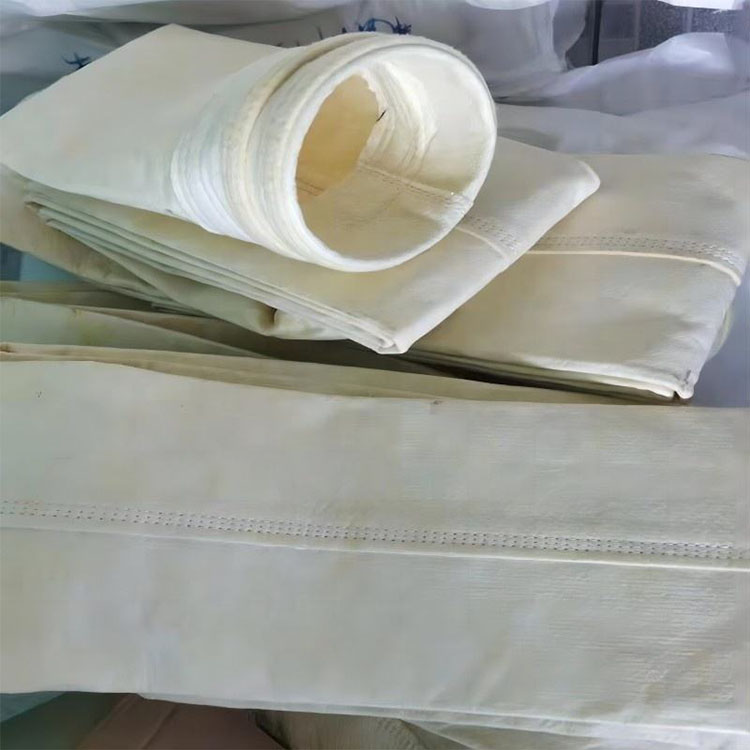
And that matters because coatings filtration is not one event. It is a chain of control points. On Best Filter Bag, the most natural reader path from this topic is not into vague category pages that go nowhere, but into working pages like nylon filter bags for paint and ink, the custom nylon filter bag for paint & ink lines, and the heat-set monofilament filter bag with low fiber shedding, because those pages actually match the defect language buyers use: gels, specks, agglomerates, nozzle fouling, and repeatable liquid filtration.
The last filter is a control point, not a miracle
I’m blunt about this. Anyone selling a “just go finer” answer without asking about viscosity, resin family, solvent load, temperature, tank age, and differential pressure is selling brochure theater, not process control.
The last bag before filling still matters, obviously. But it works best when it is the final polishing step, not the only adult in the room.
The filtration train that actually works
A staged setup beats heroics. Every time.
| Process point | What usually shows up there | What that stage is supposed to do | Practical internal path |
|---|---|---|---|
| Raw material unloading or recirculation | Dried skin, rust, gasket fragments, tank debris | Catch gross trash early and protect pumps | Duplex basket strainer for continuous liquid filtration |
| Letdown or transfer to day tank | Pigment clumps, seed particles, resin fisheyes, coarse coagulate | Remove medium-size agglomerates before they fracture or smear | Nylon filter bags for paint and ink |
| Final pre-fill polishing | Soft gels, visible specks, dried skin fragments | Keep packaged product visually clean and reduce rework | Custom nylon filter bag for paint & ink lines |
| Nozzle- or valve-sensitive finishing lines | Fiber shed, lint, unstable surface capture | Lower downstream fouling risk on fine hardware | Heat-set monofilament filter bag with low fiber shedding |
| Aggressive solvent or hot chemical service | Media swelling, blinding, chemical attack disguised as “contamination” | Keep the media from becoming the next defect source | PTFE filter bags for aggressive chemical service and the 260°C PTFE filter bag for acid/alkali filtration |
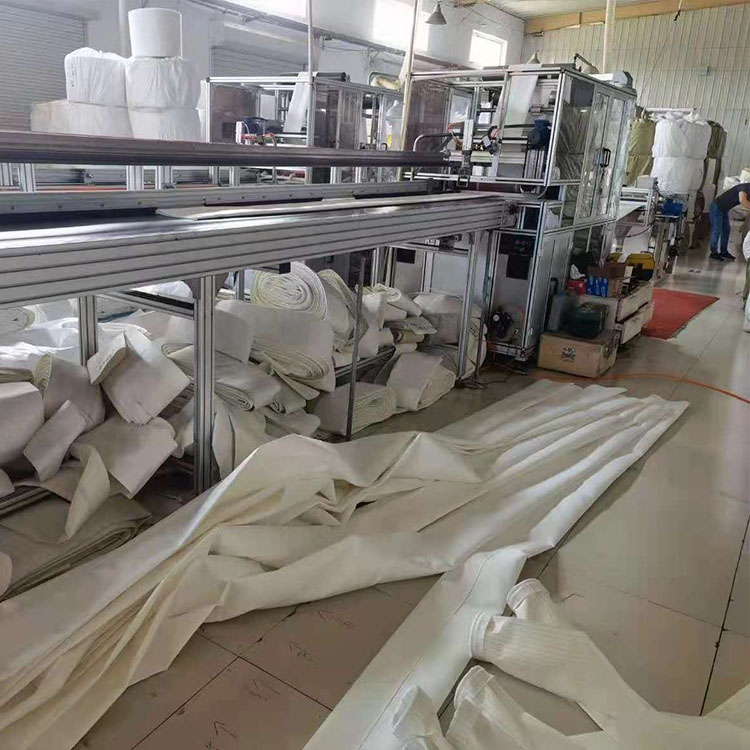
That is the real sequence. Coarse protection first, useful cleanup second, final polish last. Best Filter Bag’s own site already supports that journey with a duplex basket strainer for continuous liquid filtration for online screening, nylon monofilament options for general coatings duty, and PTFE pages for harsher chemistry and higher temperature service; its turnkey filtration solutions for engineered projects page is the right destination when a plant is trying to standardize more than one SKU or line.
2024 made the economics uglier
Higher prices. Higher stakes.
According to Reuters, Sherwin-Williams raised its 2024 adjusted EPS guidance to $11.10-$11.40 as higher prices and stronger coatings sales supported results. I read that as a simple warning to operators: when pricing holds, every downgraded batch, every wiped filler head, every repacked drum, and every rejected pail hurts more. Not less.
And the waste story is worse than most plants admit out loud. A 2024 Frontiers paper on ship-biofouling cleaning and coatings particles said the global shipping sector could release thousands of tons of coating-derived microplastics annually, while a 2024 Water Research study on hydroblasting effluent from ship hull paint estimated 4.3 × 10^15 paint-derived particles from one vessel and projected about 550 tons a year from hydroblasting alone. Coatings waste does not disappear because accounting calls it “process loss.”
So no, this is not just a cosmetics issue.
Regulators are tightening the mood music too. EPA’s 2024 report on lead strategy results said lead-based paint investigations in FY2024 produced administrative case resolutions, noncompliance notifications, and formal advisory letters across multiple regions, with cited failures involving certification, recordkeeping, and pre-renovation education. Different segment, same lesson: coatings work that looks “routine” can become compliance risk very quickly when controls are weak and records are worse.
What I would change before touching the filler
Stop worshipping the micron number
A micron rating by itself means very little. A 25 µm bag in a stable, low-viscosity coating is not the same decision as a 25 µm bag in a shear-sensitive, high-solids, partially skinned batch with a warm recirculation loop and a tired operator trying to hit shift-end numbers.
What matters is the defect. Hard particle or soft gel? Intermittent or constant? Upstream-born or package-triggered? Cleanable or disposable? That is why I would start with defect mapping by batch age, resin family, temperature history, transfer path, and pressure trend before I changed one single housing.
Match media to chemistry, not wishful thinking
For general-duty paint and ink service, nylon is usually the practical first move because it gives buyers flexible mesh choices and common housing fit. When the line is sensitive to lint, a monofilament option makes more sense. When the chemistry gets mean, or the stream gets hot, I would stop forcing nylon to do PTFE work and move to a fluoropolymer option faster than most plants do. Best Filter Bag’s site already gives you that ladder: industrial filter bags, nylon filter bags for paint and ink, PTFE filter bags for aggressive chemical service, and turnkey filtration solutions for engineered projects.
And one more thing. If the line cannot stop, stop pretending a single offline basket or one clogged polishing bag is acceptable. That is exactly where a duplex basket strainer for continuous liquid filtration earns its keep upstream of the finer media.
FAQs
What is coatings filtration?
Coatings filtration is the controlled removal of gels, agglomerates, dried skin, pigment clumps, and stray particles from liquid paint, ink, resin, or varnish during transfer and packaging, using staged strainers and filter media sized to protect equipment, preserve appearance, and keep packaged product saleable. In practice, it is a sequence, not a single filter housing parked near the filler.
What causes gels in paint before filling?
Gels in paint before filling are usually partially reacted resin, dried skin, poorly dispersed pigment clusters, incompatible raw-material shock, or old heel material broken loose from tanks and lines, which means the defect was formed upstream and only became obvious when the product was pushed toward final packaging. The filler exposes the problem. It rarely creates it.
What micron filter removes gels from coatings before filling?
The right micron filter for gel removal in coatings is not one universal number; it is a process-specific capture range selected from the size and softness of the defect, the coating’s viscosity, the acceptable pressure drop, and whether the filter is doing coarse protection, mid-stream cleanup, or final polishing. Start with the defect size you must actually stop, then validate with line data.
Are nylon filter bags good for paint filtration?
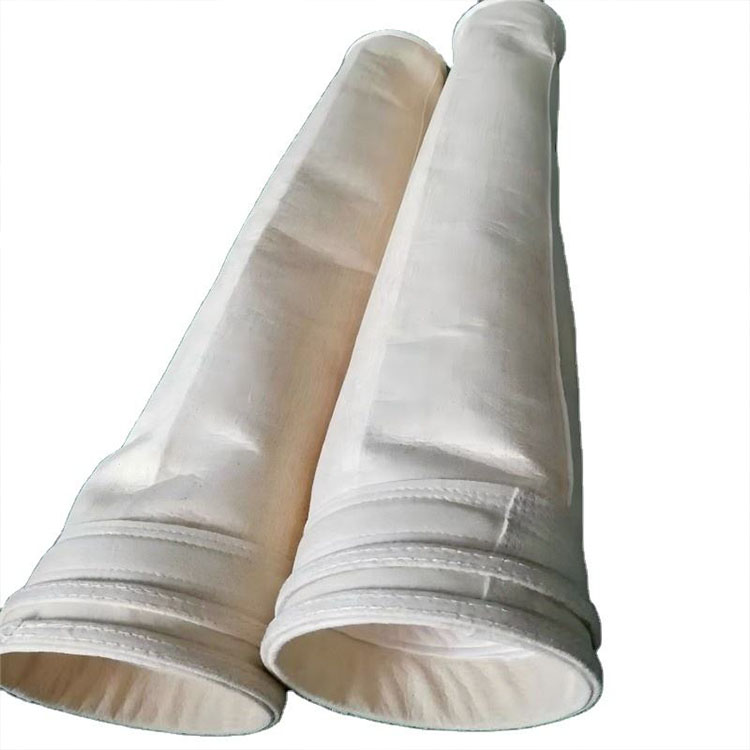
Nylon filter bags are a good fit for many paint filtration jobs because they offer practical mesh options, solid flow, common bag sizes, and wide compatibility with general-duty water-based or solvent-compatible coating lines, especially when the goal is to catch visible agglomerates without turning the housing into a pressure-drop disaster. They are often the sensible first-line choice, not the forever choice.
When should PTFE replace nylon in coating solution filtration?
PTFE should replace nylon in coating solution filtration when chemistry, temperature, or stickiness start attacking standard media, because fluoropolymer bags handle more aggressive acids, alkalis, and hot streams while also resisting the blinding and swelling that make operators misdiagnose media failure as a contamination problem. If the media is degrading, the filter is no longer neutral. It becomes part of the defect.
Do duplex basket strainers help remove gels before filling?
A duplex basket strainer is a dual-chamber coarse screening unit that lets operators isolate and clean one basket while the other remains online, making it useful upstream of bag filters on coating lines where production cannot stop every time a chunk of skin, gasket, or rust shows up. It does not replace fine filtration. It protects it.
Your Next Step
Stop shipping your process mistakes.
If gels are showing up before filling, run a ten-day defect audit by batch, tank, temperature, resin family, and differential pressure trend, then match the result to a real filtration train instead of another argument in the QC room. Start with the custom nylon filter bag for paint & ink lines for final polishing duty, move to the heat-set monofilament filter bag with low fiber shedding when downstream cleanliness is getting sabotaged by media behavior, use the 260°C PTFE filter bag for acid/alkali filtration where chemistry is rough, and bring in turnkey filtration solutions for engineered projects or contact the team when the issue is bigger than one bag change. The expensive part is not the filter. The expensive part is pretending you can keep packing gels and still call it quality.

